
Engine overheating is one of the most damaging things that can happen to your vehicle, and in most cases, it’s completely preventable. When your cooling system is working properly, your engine stays in a safe temperature range. When it’s not, you could be looking at warped cylinder heads, blown gaskets, or worse. At Charlie’s Tire and Automotive, our team helps drivers across Southeast Missouri and Southern Illinois catch cooling system problems early, before they turn into expensive engine repairs. This blog walks you through the most common causes of engine overheating, the warning signs to watch for, and how routine cooling system service keeps your vehicle protected.
What Causes an Engine to Overheat?
Most people assume overheating just means the engine got too hot. But what’s really happening is that your cooling system failed to move heat away from the engine fast enough. Here’s what usually breaks down:
Low or Contaminated Coolant
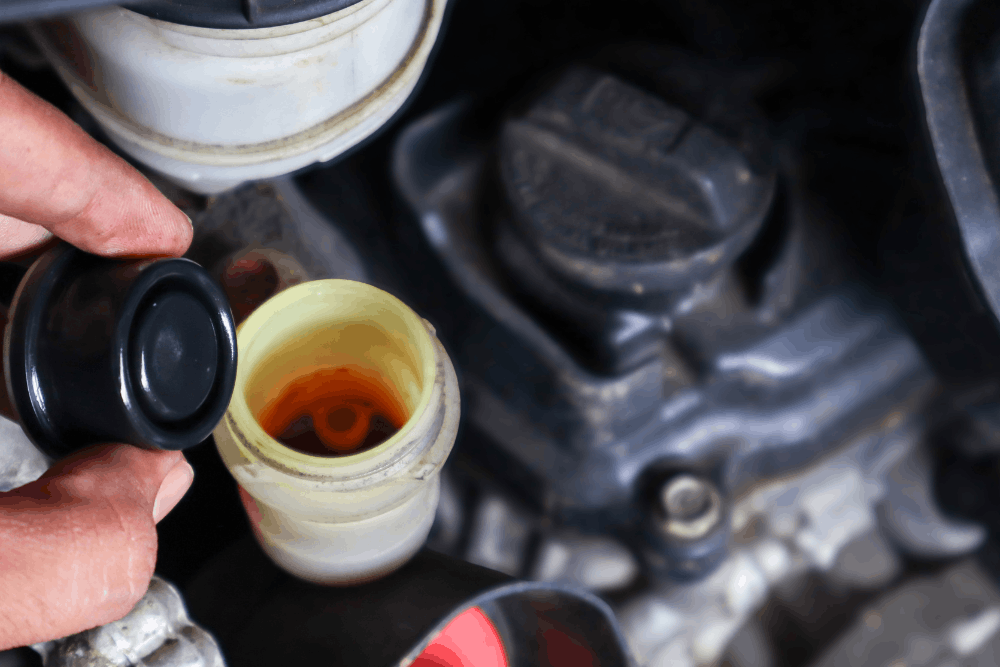
Coolant, also called antifreeze, absorbs heat from the engine and carries it to the radiator where it dissipates. If your coolant level drops too low or the fluid breaks down over time, it loses its ability to regulate engine temperature.
- Low coolant from a slow leak is one of the most common causes drivers overlook
- Old coolant becomes acidic and can corrode internal components
- Mixing the wrong coolant types creates a gel-like mixture that barely flows at all
A Failing Thermostat
The thermostat controls when coolant flows into the radiator. If it gets stuck closed, coolant can’t circulate and the engine temperature spikes fast. If it sticks open, the engine runs too cold and burns more fuel. Either way, a faulty thermostat needs to be replaced, not worked around.
Radiator Problems
The radiator releases the heat that coolant has absorbed. Blockages from debris, mineral buildup, or a bent fin reduce airflow and heat transfer. A leaking radiator loses the fluid it needs to do its job entirely.
A Worn Water Pump
The water pump circulates coolant through the engine. When the impeller wears down or the pump starts to leak, coolant flow drops and temperatures rise. A water pump that’s failing often makes a whining or grinding noise before it fails completely.
Hose and Belt Failures
Radiator hoses carry coolant between the engine, radiator, and heater core. A cracked, soft, or swollen hose can burst without warning. The serpentine belt or drive belt powers the water pump on most vehicles, so if it snaps, coolant circulation stops immediately.
Warning Signs of Engine Overheating You Should Never Ignore
Catching overheating early can be the difference between a coolant service and a full engine replacement. Watch for these signals:
- Temperature gauge climbing: If the needle moves toward the red zone or past the midpoint, pull over safely and turn off the engine
- Steam from under the hood: This is boiling coolant escaping, not normal. Do not open the radiator cap while hot
- Sweet smell from the engine bay: Leaking coolant has a distinct sweet odor that’s hard to miss
- Low coolant warning light: Your dashboard alert is telling you something is already wrong
- Heater blowing cold air: Surprisingly, this can mean your coolant is too low to heat the cabin properly
- Visible coolant puddles: Bright green, orange, or pink fluid under your parked vehicle means you have a leak
If your temperature gauge spikes while driving, turn off your A/C to reduce engine load, turn on the heat (it vents engine heat), and get to a safe stop as quickly as possible. Do not continue driving an overheating vehicle.
The Cooling System Services That Prevent Overheating
Overheating rarely happens without warning. Most vehicles give you a maintenance window to fix things before damage occurs. Here’s what professional cooling system service covers:
Coolant Exchange Service
Old coolant doesn’t just wear out, it becomes corrosive. A coolant exchange removes the degraded fluid from the system and replaces it with fresh coolant matched to your vehicle’s specifications. This is one of the most straightforward preventative services you can schedule and one of the most overlooked.
Radiator Inspection and Flush
A radiator flush clears scale, rust, and old fluid from the entire cooling system, including passages that a simple drain-and-fill can miss. Your radiator should also be visually inspected for leaks, corrosion, and fin damage.
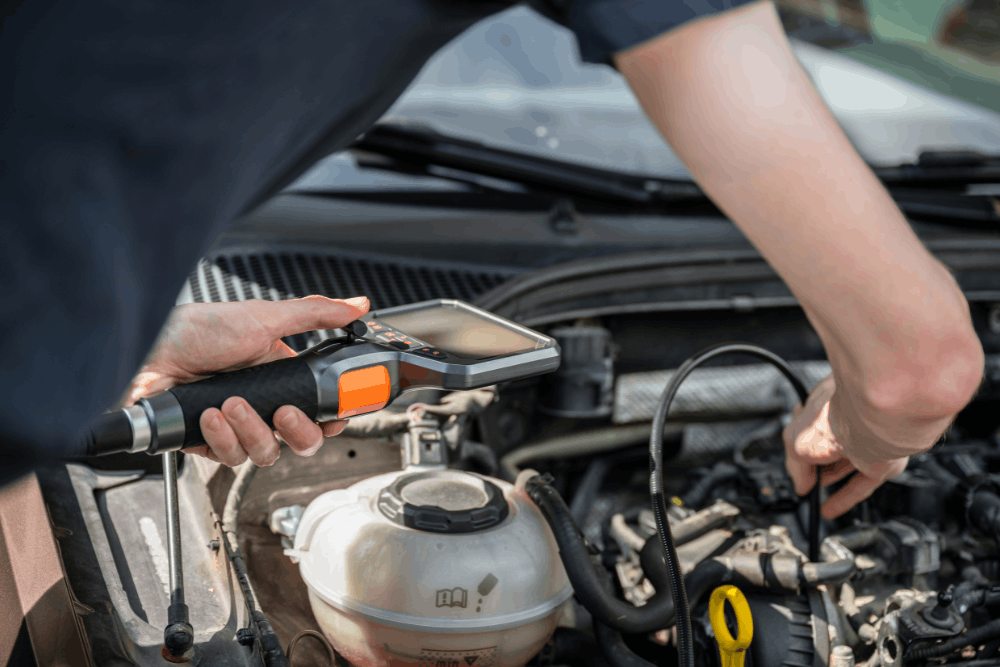
Thermostat and Water Pump Check
These components have a limited service life. Technicians test thermostat function and inspect the water pump for leaks, shaft play, and impeller wear. Replacing them before they fail is far less expensive than handling the overheating damage they cause.
Hose and Belt Inspection
Rubber hoses and belts degrade from heat cycles over time. A quick inspection can identify cracking, softening, swelling, or fraying before a roadside failure. Belts and hoses are low-cost parts with a high cost if they fail at the wrong moment.
A Fact About Overheating That Most Drivers Don’t Know
Here’s something worth knowing: your engine can start sustaining damage at temperatures well below what it takes to trigger the warning light. By the time your temperature gauge is visibly in the danger zone, internal engine components may have already been under thermal stress for several minutes.
That’s why cooling system inspections are built into routine maintenance schedules, not just done reactively. Modern coolant formulations are designed to last longer, but “longer” isn’t “forever.” Following a regular service interval gives your technician a chance to catch degraded coolant, marginal hose condition, or a softening belt before any of those problems contribute to an overheating event.
Cooling System Service for Drivers in Southeast Missouri and Southern Illinois
Summer heat in this region is no joke. Whether you’re commuting through Jackson, MO, running errands in Ste. Genevieve, MO, or making the drive from Sparta, IL, your cooling system is working hard every mile.
Charlie’s Tire and Automotive serves drivers throughout Southeast Missouri and Southern Illinois with professional cooling system diagnostics, coolant exchange, radiator inspection, and component replacement. Our technicians work on domestic vehicles, including GM, Ford, and Chrysler trucks and cars, across all five of our full-service locations.
If you haven’t had your cooling system checked recently, schedule a cooling system inspection at Charlie’s Tire and Automotive before the temperature gauge makes that decision for you.
Why Charlie’s Tire and Automotive Is Your Cooling System Service Partner
When it comes to keeping your engine running cool, experience and attention to detail matter. Here’s why drivers across Southeast Missouri and Southern Illinois trust Charlie’s Tire and Automotive:
- Family-owned since 1980: Over 45 years of community service built on honesty and dependable workmanship
- Experienced technicians: Our team handles cooling system service for domestic vehicles including GM, Ford, and Chrysler
- Preventative maintenance focus: We look at the full picture, not just the part that brought you in
- One-stop convenience: From coolant exchange to hose inspection and beyond, we handle it all in one visit
- No-pressure service: We explain what we find, give you honest recommendations, and let you decide
FAQs About Engine Overheating
What causes a car engine to overheat?
The most common causes are low or degraded coolant, a stuck thermostat, a failing water pump, and leaking radiator hoses. Any one of these disrupts the engine’s ability to regulate temperature and can lead to serious damage if not addressed.
How can I prevent my engine from overheating?
The best prevention is routine cooling system maintenance, including coolant exchanges, hose inspections, thermostat checks, and radiator service. Staying current on these services gives your technician the chance to catch problems before they cause overheating.
What are the warning signs of an overheating engine?
Key warning signs include a rising temperature gauge, steam from under the hood, a sweet smell from the engine bay, the low coolant warning light, and cold air from your heater when the engine should be warm. Any of these warrants immediate attention.
How often should I have my cooling system inspected?
Most manufacturers recommend a cooling system inspection every 30,000 miles or as part of your regular maintenance schedule. Your owner’s manual will have the specific interval for your vehicle, and a technician can advise based on your mileage and driving conditions.
Where can I get cooling system service in Ste. Genevieve, MO?
Drivers in Ste. Genevieve, MO can bring their vehicle to Charlie’s Tire and Automotive at 210 Plaza Dr for professional cooling system diagnostics, coolant service, and radiator inspection. Charlie’s Tire and Automotive also serves drivers throughout Southeast Missouri and Southern Illinois at four additional locations.
Schedule Your Engine Overheating Service Across Southeast Missouri and Southern Illinois Today
Don’t wait for the temperature gauge to climb into the red. Charlie’s Tire and Automotive has five full-service locations ready to inspect and service your cooling system:
- Charlie’s Tire and Automotive, Jackson, MO
1901 E Jackson Blvd, Jackson, MO, 63755
(573) 243-8481 - Charlie’s Tire and Automotive, Dexter, MO
414 N 1 Mile Rd, Dexter, MO, 63841
(573) 614-7885 - Charlie’s Tire and Automotive, Perryville, MO
1319 W St Joseph St, Perryville, MO, 63775
(573) 547-2004 - Charlie’s Tire and Automotive, Ste. Genevieve, MO
210 Plaza Dr, Ste. Genevieve, MO, 63670
(573) 883-8833 - Charlie’s Tire and Automotive, Sparta, IL
1310 N Market St, Sparta, IL, 62286
(618) 443-5300
Our team is here to help you stay safely on the road. Give us a call or stop in at the location nearest you. No appointment necessary for many of our services.