Most drivers don’t think about their brakes until they notice a problem. Fall is a good time to have your braking system checked, especially after months of summer driving and before colder, wetter conditions arrive. Stop-and-go traffic, long trips, and repeated braking can contribute to wear on brake pads, rotors, and other components that may not be obvious from behind the wheel.
A brake inspection can help identify worn or damaged components before they affect braking performance or lead to more costly repairs. Charlie’s Tire and Automotive in Jackson, MO, provides complete brake services for drivers throughout Southeast Missouri and surrounding communities. In this guide, we’ll explain what a brake inspection includes, how summer driving can contribute to brake wear, the warning signs you shouldn’t ignore, and why fall is a practical time to have your brakes checked.
What a Brake Inspection Covers
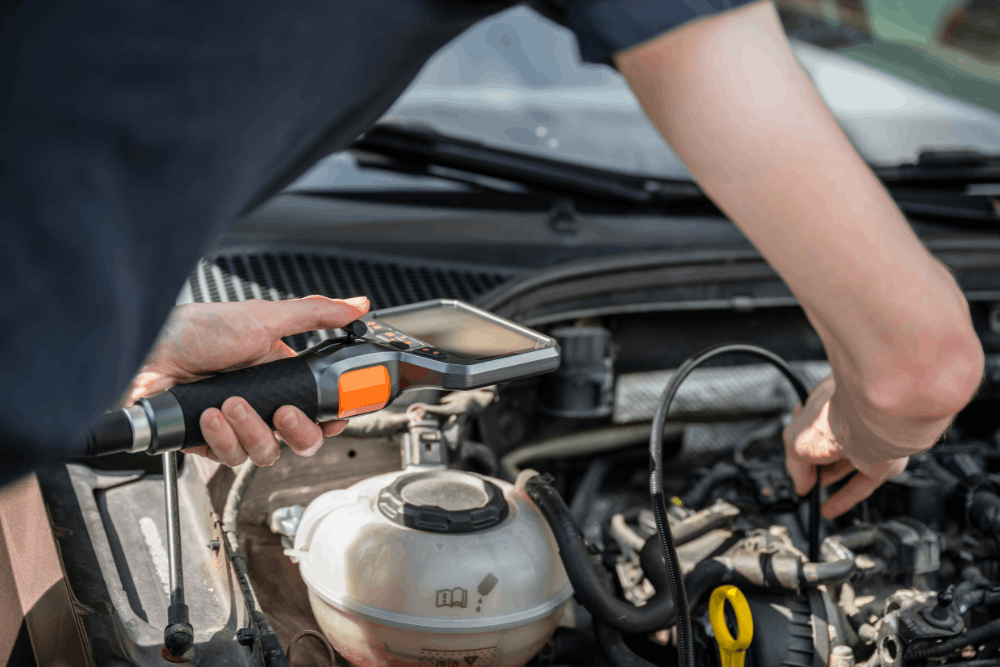
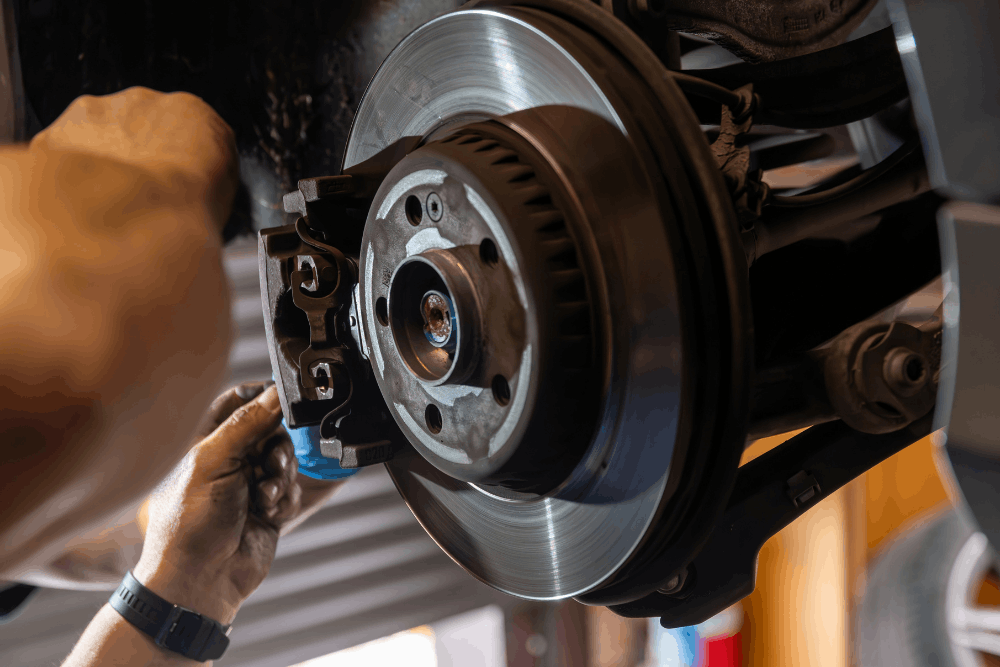
Not all brake checks are created equal. A proper brake inspection goes beyond a quick look at your pads. Here’s what a thorough brake inspection should include:
- Brake pad thickness: Pads that have worn below the minimum safe thickness need replacement before they contact the rotor directly.
- Rotor condition: Technicians check for scoring, warping, or thickness that’s fallen below manufacturer specs.
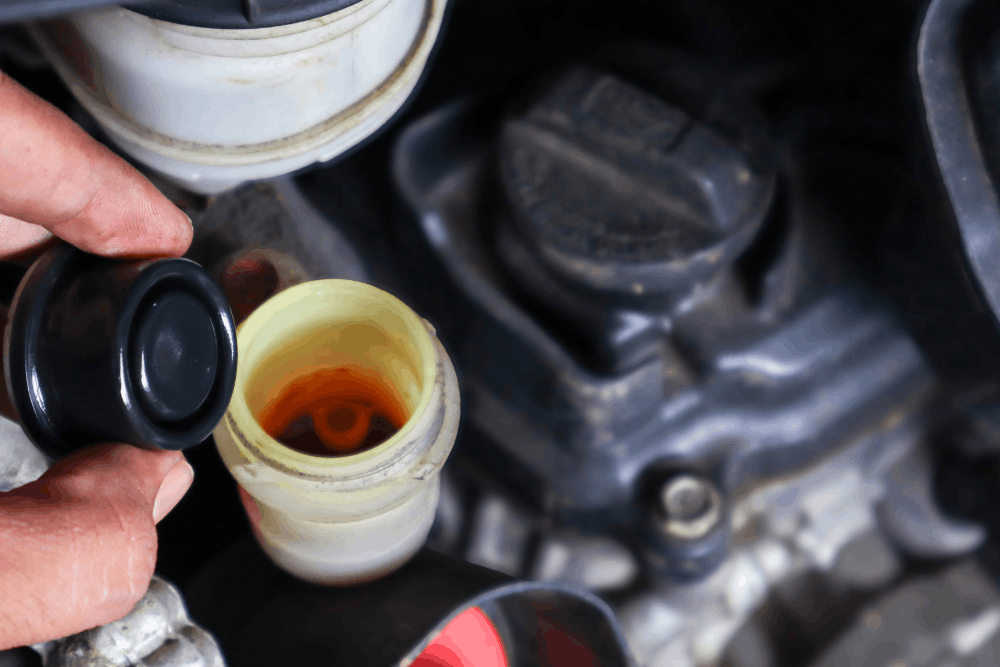
- Brake fluid level and quality: Brake fluid absorbs moisture over time, which lowers its boiling point and reduces stopping power.
- Brake lines and hoses: Cracked, soft, or leaking lines are a safety hazard that can cause total brake failure.
- Caliper function: Seized calipers cause uneven wear and pulling to one side.
- Hardware and hardware condition: Springs, clips, and pins keep everything aligned. Worn hardware leads to noise, vibration, and uneven braking.
When all of these components are checked together, your technician gets a complete picture of your braking system’s health.
How Summer Heat Damages Your Brakes Before Fall Even Starts
Heat Buildup Is a Real Problem
Most drivers think of brakes as a winter concern, but summer driving is actually one of the harshest conditions a braking system faces. Stop-and-go traffic, highway driving, towing, and hauling in high temperatures all create heat buildup in the brake system. That heat doesn’t just disappear when the engine cools down.
What Heat Does to Brake Fluid
Here’s something most drivers don’t know: brake fluid is hygroscopic, meaning it naturally absorbs moisture from the air. Over a long, hot summer, that moisture absorption accelerates. When brake fluid’s moisture content rises, its boiling point drops significantly. If your brake fluid boils under hard braking, you get “brake fade,” which is a sudden, dangerous reduction in stopping power.
A brake fluid flush removes the old, degraded fluid and replaces it with fresh fluid that can handle the demands of fall and winter driving.
Rotor Warping from Repeated Heat Cycles
Rotors expand when hot and contract when cool. After months of summer driving, repeated heat cycles can cause rotors to develop a slight warp. You might notice this as a pulsing or vibrating sensation in the brake pedal. That feeling means your rotors are no longer perfectly flat, and braking efficiency has been compromised.
Warning Signs You Should Never Ignore Before Fall
Your vehicle gives you signals before something goes wrong. Don’t brush these off:
- Squealing or squeaking: Wear indicators built into the pads are doing their job. That sound means pad replacement is due.
- Grinding noise: Metal-on-metal contact. This means pads are gone and rotors are likely being damaged.
- Vibration in the pedal or steering wheel: Warped rotors or an issue with brake hardware.
- Soft or spongy pedal: Air in the brake lines or low brake fluid. Schedule service immediately.
- Pulling to one side: A stuck caliper or uneven pad wear is causing unequal braking force.
- Brake warning light: Never dismiss this. It could signal low brake fluid, a sensor issue, or a more serious problem.
Any one of these symptoms is reason enough to bring your vehicle in for a professional brake inspection before fall driving conditions arrive.
Brake Pad Replacement: Know When It's Time
Brake pad lifespan varies based on driving habits, vehicle type, and road conditions. Around Southeast Missouri and Southern Illinois, a mix of city driving, rural roads, and highway miles all put different demands on your pads.
General guidance on brake pad life:
- Light city driving: Frequent stops wear pads faster than highway driving.
- Towing or hauling: Extra weight means the braking system works harder every stop.
- Aggressive braking habits: Frequent hard stops dramatically shorten pad life.
- Pad material: Different compounds wear at different rates.
Pad wear depends on your driving habits, vehicle weight, and road conditions. The only reliable way to know where yours stand is a professional inspection. A technician can measure thickness accurately and tell you what needs attention now versus what can wait.
Ready to get your brakes checked before the season changes? Charlie’s Tire and Automotive has five locations across Southeast Missouri and Southern Illinois. Find the one nearest you and schedule your brake inspection today.
Why Fall Is the Right Time to Prioritize Brake Services in Jackson, MO
Wet Roads Demand More From Your Brakes
Fall brings rain, wet leaves, and eventually early frost to Jackson, MO, and the surrounding region. All of these reduce road traction. When traction is lower, your braking system has to work harder to bring your vehicle to a safe stop. If your pads are worn, your rotors are warped, or your brake fluid is degraded, the system simply can’t perform the way it needs to.
Longer Stopping Distances in Cold Temperatures
As temperatures drop across Southeast Missouri and into Southern Illinois, tire grip and road surface conditions both change. Even before snow or ice appears, cold, damp pavement increases stopping distances. A vehicle with compromised brakes needs even more distance to stop safely.
Beat the Rush Before Winter
There’s a predictable pattern every fall: shops get busier as winter prep starts. Scheduling your brake inspection in Jackson, MO now means you get in before the seasonal surge, and you head into the colder months knowing your brakes are ready.
Why Choose Charlie's Tire and Automotive for Brake Services
Charlie’s Tire and Automotive has been a family-owned business serving this region since 1980. That’s over 45 years of keeping drivers safely on the road with honest, dependable service. When you bring your vehicle in for a brake inspection or brake pad replacement, you can expect straightforward answers and professional service from a team that treats every customer like family.
- Family-owned since 1980: Over four decades of community trust in Southeast Missouri and Southern Illinois.
- Five full-service locations: Jackson, Dexter, Perryville, Sparta, and Ste. Genevieve, all equipped for complete brake services.
- No pressure recommendations: You’ll be told what needs attention now, what can wait, and why.
- Complete brake services: Brake inspections, brake pad replacement, rotor service, brake fluid flush, caliper service, and brake line inspection all under one roof.
- Financing available: CFNA offers 6 months at 0% interest, and Koalafi provides 0% financing with no credit needed.
FAQs About Brake Inspection and Brake Services
Why is it important to check brakes before the fall season?
Checking your brakes before fall is important because wet roads, cold temperatures, and reduced traction all demand more from your braking system. Having worn pads, low brake fluid, or damaged rotors heading into that season dramatically increases your stopping distance and risk of brake failure.
How can summer heat affect my vehicle's brakes?
Summer heat accelerates brake fluid moisture absorption, which lowers its boiling point and can cause brake fade under hard stops. Heat cycles throughout summer can also cause rotor warping, leading to vibration in the pedal and reduced braking performance.
When should I get my brakes checked before the fall season?
You should schedule a brake inspection in late summer or early fall, before wet and cold conditions arrive. If you notice any symptoms like squealing, grinding, a soft pedal, or vibration, bring your vehicle to Charlie’s Tire and Automotive right away rather than waiting.
How can I tell if my brakes need to be serviced?
Common signs your brakes need service include squealing or grinding noises, a soft or spongy pedal, vibration when braking, pulling to one side, or the brake warning light coming on. Any one of these is a reason to schedule a professional brake inspection promptly.
What happens if my brakes fail in the fall?
If your brakes fail in fall conditions, wet leaves, rain, or cold pavement mean you have far less road traction to compensate. Stopping distances increase dramatically, and the risk of a collision rises. Proactive brake pad replacement and a brake fluid flush before fall are the most effective ways to prevent this.
Schedule Your Brake Inspection in Jackson, MO Today
Don’t wait until a grinding noise or a soft pedal forces your hand. Get your brake inspection done now, before fall weather changes the stakes. The team at Charlie’s Tire and Automotive in Jackson, MO is ready to help you drive into the season with confidence.
Charlie’s Tire and Automotive in Jackson, MO: 1901 E Jackson Blvd, Jackson, MO 63755 | (573) 243-8481
Can’t make it to Jackson? Charlie’s Tire and Automotive also serves drivers at four additional locations across the region:
- Dexter, MO: 414 N 1 Mile Rd, Dexter, MO 63841 | (573) 614-7885
- Perryville, MO: 1319 W St Joseph St, Perryville, MO 63775 | (573) 547-2004
- Ste. Genevieve, MO: 210 Plaza Dr, Ste. Genevieve, MO 63670 | (573) 883-8833
- Sparta, IL: 1310 N Market St, Sparta, IL 62286 | (618) 443-5300
Built on Family. Driven by Service. Come see why drivers across Jackson, MO, and Southeast Missouri have trusted Charlie’s Tire and Automotive for over 45 years.