Strange car noises are your vehicle’s way of telling you something is wrong, and the longer you wait to address them, the more expensive the repair often becomes. At Charlie’s Tire and Automotive in Ste. Genevieve, MO, we hear it all the time: a driver ignores a new sound for weeks, only to come in with a repair that’s grown into a much bigger problem. In this guide, we’ll break down the most common strange car noises, what each one likely signals, and why early vehicle diagnostics and auto repair protect both your safety and your wallet.
Why Your Car Makes Noise in the First Place
Your vehicle is made up of hundreds of moving parts, and most of those parts work in close contact with others. When something starts to wear, loosen, or fail, the friction, vibration, or pressure change creates sound.
Here’s the important thing to understand: noise is a symptom, not the problem itself. The actual problem is the wear, damage, or failure happening underneath. That’s why diagnosing the source quickly matters so much.
Common reasons strange car noises develop include:
- Worn or degraded components: Brake pads, ball joints, wheel bearings, and belts all wear over time.
- Low or dirty fluids: Insufficient lubrication creates metal-on-metal contact that produces grinding and whining sounds.
- Loose hardware: Bolts, heat shields, and brackets can rattle and knock when they work loose.
- Structural fatigue: Suspension parts, exhaust components, and mounts degrade with age and road impact.
Understanding this is the first step toward treating the noise as the warning it is.
Common Strange Car Noises and What They Mean
Not all noises are equal. Here’s a breakdown of the most common sounds drivers notice, the systems they typically point to, and how serious each one can become.
Squealing or Grinding When You Brake
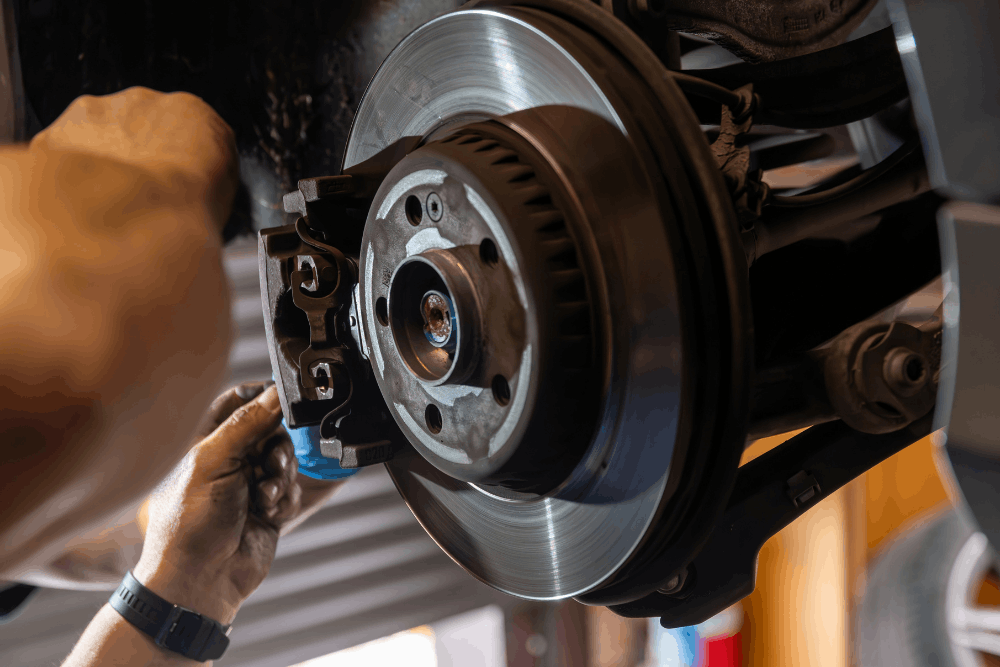
Squealing while braking is almost always a worn brake pad. Most brake pads include a small metal wear indicator that creates that high-pitched squeal specifically to get your attention.
Grinding is a different story. That sound typically means the pad material is completely gone and metal is contacting metal on your rotor. At that stage, you’re looking at rotor damage in addition to pad replacement.
What to do: Don’t wait on brake sounds. Schedule a brake repair & inspection right away. Brake failure is a direct safety risk, and catching it at the squeal stage saves significantly more than waiting until you hear grinding.
Knocking or Clunking From Under the Hood
A knocking or ticking sound from the engine area is one of the more serious noises on this list. It often points to:
- Low oil pressure or oil that’s overdue for a change
- A worn engine bearing
- Carbon buildup causing pre-ignition (known as “pinging” under load)
A deep, rhythmic knock under the hood while the engine is running should be treated as urgent. Engine damage compounds quickly once internal components begin wearing against each other without proper lubrication.
Clunking or Rattling Over Bumps
If your vehicle clunks, rattles, or thuds when going over bumps or turning, the suspension system is the likely culprit. Common causes include:
- Worn sway bar links or end links
- Failing ball joints
- Degraded control arm bushings
- Loose or broken strut mounts
Suspension noise is easy to put off because it often starts subtly. But a worn ball joint or strut doesn’t just get noisy over time. It affects how your vehicle handles, brakes, and steers, which becomes a serious safety concern.
Humming or Whining That Changes With Speed
A humming or droning sound that rises and falls with your vehicle’s speed typically points to a wheel bearing issue. Wheel bearings allow your wheels to spin smoothly, and when they start to fail, they produce a steady hum or growl.
The sound often shifts slightly during a lane change, which is one of the things a technician looks for when isolating which corner of the vehicle is affected. A failed wheel bearing can eventually seize, which is a breakdown and a safety hazard.
Hissing or Roaring From the Exhaust
A hissing sound, especially one that’s louder when accelerating, often signals an exhaust leak. Exhaust leaks can route carbon monoxide into the cabin, which makes this more than a noise issue. It’s a health and safety issue.
A roaring sound from underneath the vehicle that gets louder under throttle is typically a failing muffler or a hole in the exhaust pipe.
The Hidden Cost of Waiting: A Real Look at What Ignored Noises Become
This is where drivers often get surprised. What seemed like a minor nuisance ends up being a much larger repair, not because the original issue was severe, but because secondary damage accumulated while the sound was being ignored.
| What You Heard | If Addressed Early | If Ignored |
|---|---|---|
| Brake squeal (worn pads) | Pad replacement only | Pad + rotor replacement |
| Engine knocking (low oil) | Oil service, possible bearing inspection | Engine component damage |
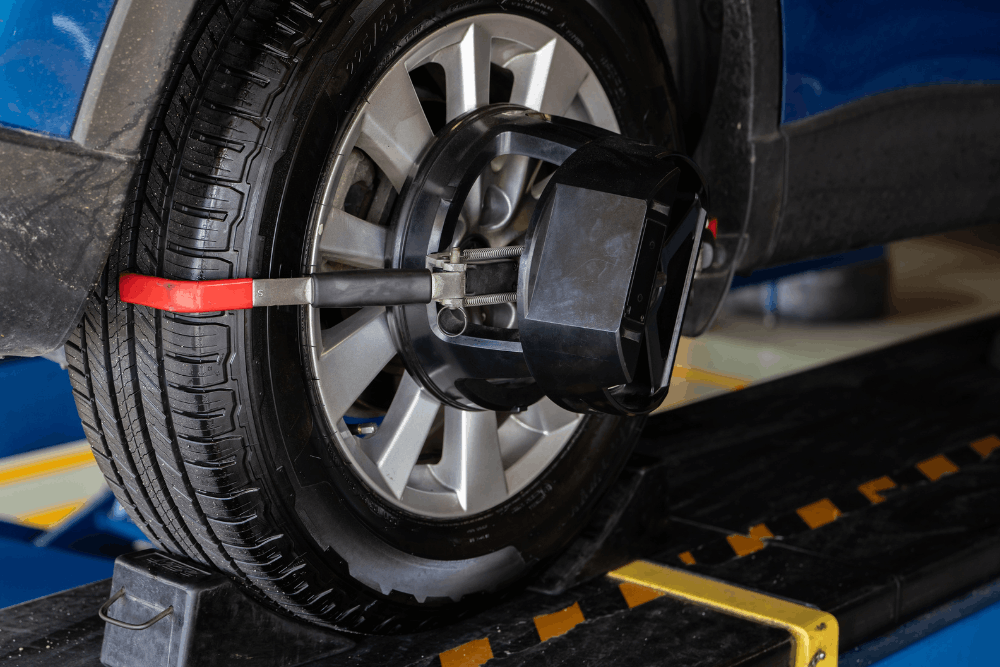
| Suspension clunk (worn bushing) | Bushing replacement | Control arm, alignment, tire wear |
| Wheel bearing hum | Bearing replacement | Hub assembly replacement |
| Exhaust hiss (small leak) | Seal or patch repair | Full exhaust section replacement |
The pattern is consistent: the longer a noise goes unaddressed, the more components get involved, and the more the repair costs.
What Vehicle Diagnostics Actually Do
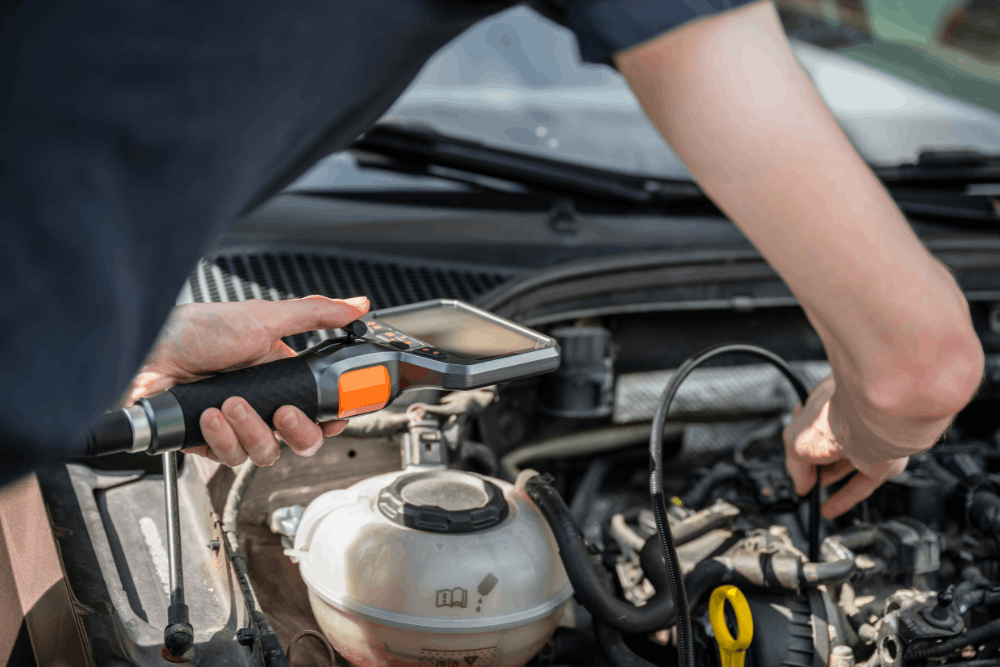
When you bring a noisy vehicle in, a diagnostic inspection isn’t guesswork. Trained technicians use a combination of hands-on inspection, lift work, and professional scanning equipment to trace the noise to its source.
At Charlie’s Tire and Automotive, our technicians approach vehicle diagnostics systematically:
- Visual and physical inspection of brakes, suspension, and exhaust components once the vehicle is on the lift
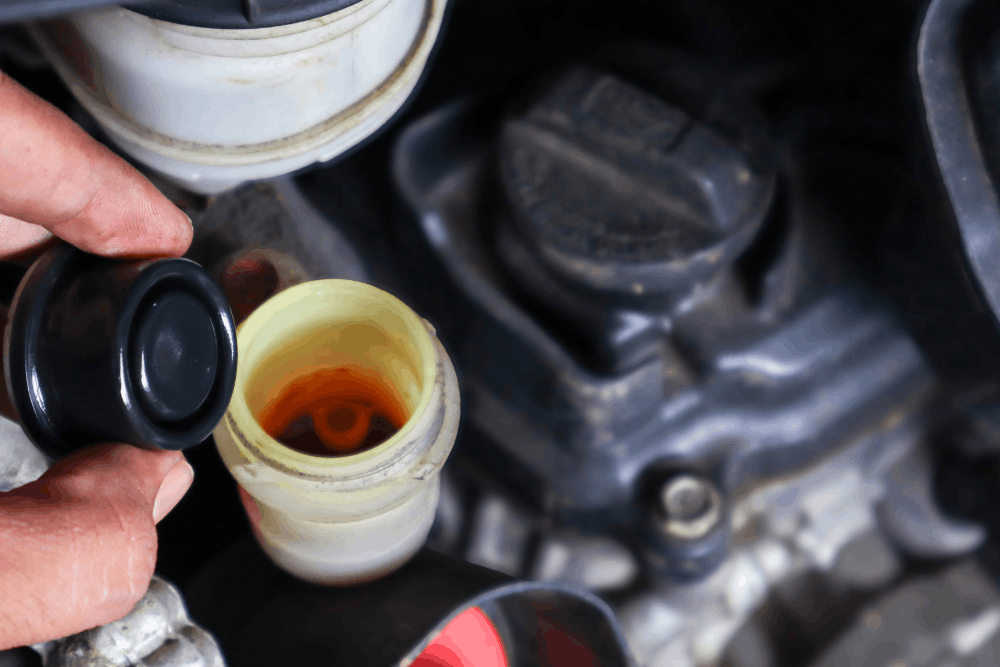
- Fluid level and condition checks for engine-related sounds, including oil pressure concerns
- Professional-grade diagnostic scanning to read any stored fault codes related to engine or drivetrain issues
- Honest repair recommendations based on findings, not assumptions
That process gives you accurate information so you can make informed decisions about your vehicle.
Drivers near Ste. Genevieve, MO looking for vehicle diagnostics can count on that same methodical process at every visit.
Hearing Something New? Don't Wait to Get It Checked in Ste. Genevieve, MO
Drivers in Ste. Genevieve, MO, and the surrounding communities know that strange car noises don’t tend to go away on their own. They get louder, more frequent, and more expensive to fix. If you’re noticing a squeal, knock, hum, or rattle you haven’t heard before, that’s your cue to schedule an auto repair inspection.
Charlie’s Tire and Automotive has been a trusted name in Southeast Missouri and Southern Illinois since 1980, built on the idea that honest advice and quality service keep customers coming back. Our family-owned shops treat your vehicle like it’s one of our own.
If you’re in the Ste. Genevieve, MO area and have noticed something off with how your vehicle sounds, don’t put it off. Bring it in and let our technicians take a look.
FAQs About Strange Car Noises
Why is my car making strange noises?
Strange car noises are usually caused by worn, loose, or failing components such as brake pads, suspension parts, wheel bearings, or engine internals. The specific sound and when it occurs help narrow down which system is involved. Different sounds point to different problems, which is why a professional inspection is the most reliable way to get an accurate answer.
What do squealing or grinding noises mean?
Squealing brakes typically indicate that your brake pads have worn to the level of the built-in wear indicator. Grinding usually means the pad material is gone and metal is contacting the rotor. Both sounds require prompt attention, and grinding in particular means brake damage may already be occurring.
Can unusual vehicle noises indicate a serious problem?
Yes, unusual vehicle noises can indicate serious problems including engine damage, brake failure, suspension failure, or exhaust leaks. Some noises, like a deep engine knock or a rattling exhaust, carry health and safety implications beyond just the repair cost. Addressing noise early is always the safer and less expensive approach.
Should I continue driving if my car is making a new noise?
It depends on the noise. A mild hum or squeal may allow for a short drive to a shop, but deep knocking, grinding, or any sound combined with a warning light means you should stop driving and schedule an inspection immediately. When in doubt, bring your vehicle to Charlie’s Tire and Automotive for a same-visit evaluation.
Where can I get vehicle diagnostics in Ste. Genevieve, MO?
Charlie’s Tire and Automotive at 210 Plaza Dr, Ste. Genevieve, MO 63670 provides comprehensive vehicle diagnostics for drivers in the area. Our technicians perform a thorough inspection to identify the source of any unusual noise, warning light, or performance issue, and give you an honest recommendation before any work begins.
Schedule Your Strange Car Noise Inspection in Ste. Genevieve, MO Today
Your vehicle has been trying to tell you something. The sooner you listen, the less it costs to fix. Whether it’s a squeal you’ve been brushing off or a knock that showed up last week, the team at Charlie’s Tire and Automotive in Ste. Genevieve, MO, will track it down and give you a straight answer on what it means.
Charlie’s Tire and Automotive in Ste. Genevieve, MO: 210 Plaza Dr, Ste. Genevieve, MO 63670 | (573) 883-8833
Also serving drivers at four additional locations across the region:
- Jackson, MO: 1901 E Jackson Blvd, Jackson, MO 63755 | (573) 243-8481
- Dexter, MO: 414 N 1 Mile Rd, Dexter, MO 63841 | (573) 614-7885
- Perryville, MO: 1319 W St Joseph St, Perryville, MO 63775 | (573) 547-2004
- Sparta, IL: 1310 N Market St, Sparta, IL 62286 | (618) 443-5300
Built on Family. Driven by Service. Ste. Genevieve drivers have counted on Charlie’s Tire and Automotive for over 45 years, and that same honest, dependable service is waiting for you.