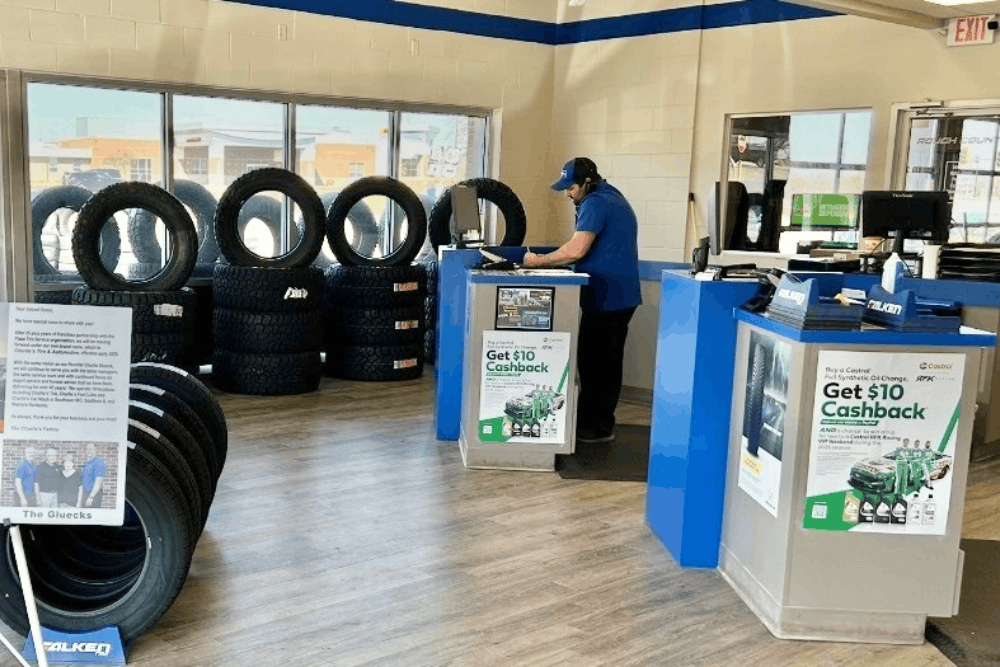
Fall is a smart time to check your tires before colder temperatures, rain, and occasional winter weather arrive in Ste. Genevieve, MO. As temperatures change, tire pressure can drop, and worn tread may reduce traction on wet or slippery roads. At Charlie’s Tire & Automotive, we help drivers evaluate tread depth, tire condition, and seasonal tire options so they can make informed decisions before winter driving begins. Here’s what to look for and when tire replacement or a seasonal changeover may make sense.
What Fall Temperatures Actually Do to Your Tires
Most drivers think tire problems show up when it snows. The truth is, the damage often starts weeks earlier, right when fall sets in.
The Pressure Drop Most Drivers Miss
For every 10-degree drop in outside temperature, your tire pressure drops approximately 1 PSI for standard passenger car tires, and that adds up quickly over a 30- to 40-degree seasonal swing. That sounds minor at first, but if your tires start the season slightly low and temperatures swing that much over a few weeks, you can end up driving on significantly underinflated tires without ever noticing.
Underinflated tires wear faster on the edges, reduce fuel efficiency, and handle poorly on wet or cold roads. By the time a dashboard warning light shows up, you may already have uneven wear that shortens your tire’s lifespan.
How Tread Rubber Responds to Cold
All-season tires are engineered to remain flexible across a range of temperatures, but as temperatures fall below 45 degrees Fahrenheit, the rubber compound begins to stiffen. Stiffer rubber means less road contact, reduced grip, and longer stopping distances, even on dry pavement.
If your tires are already worn, the reduced tread depth gives you even less margin for error when cold temperatures begin affecting grip and braking distance.
Tire Tread Depth: Know Your Numbers Before Winter Hits
The legal minimum tread depth is 2/32 of an inch, but stopping safely on wet fall roads requires more than the legal minimum. Here is a practical guide to where your tires stand:
- 4/32 or less: Replace before winter. At this depth, wet braking distance increases significantly.
- 5/32 to 6/32: Monitor closely. You are approaching the zone where winter performance degrades fast.
- 7/32 or more: Generally safe for another season, though age and condition still matter.
A worn tire does not just affect traction. It also increases the risk of hydroplaning on wet leaves and standing water, both of which are common fall road conditions in Southeast Missouri.
All-Season vs. Winter Tires: Which Is Right for Ste. Genevieve Drivers?
This is one of the most common questions we hear as fall rolls around, and the answer depends on what kind of winter your area typically delivers.
All-Season Tires Work Well in Mild Winters
Ste. Genevieve, MO sees a mix of cold rain, occasional ice, and periods of freezing temperatures rather than heavy, consistent snowfall. For many drivers here, a quality all-season tire in good condition is enough. The key word is quality. Worn all-season tires in borderline condition are not a safe substitute for properly maintained tires.
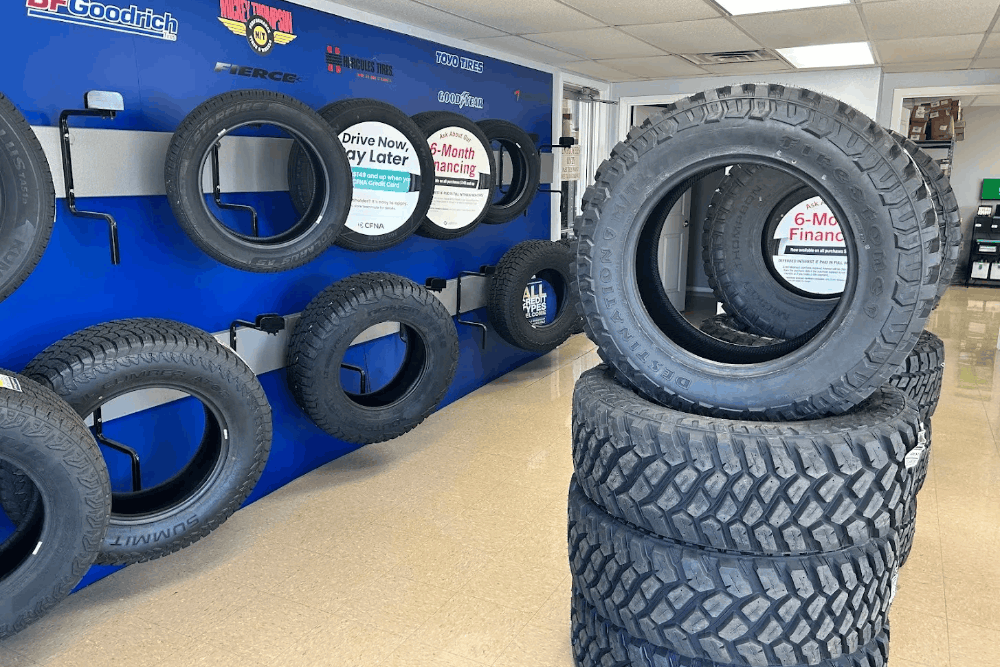
Reliable all-season options are available in brands like Bridgestone, Firestone, Goodyear, Michelin, Kumho, Nitto, Falken, Toyo, Mickey Thompson, and many more. The right tire depends on your vehicle, your driving patterns, and how you want your vehicle to feel in cooler conditions.
When Winter Tires Make Sense
If you regularly drive in freezing temperatures, on rural roads, or through areas where ice is common, a dedicated winter tire offers noticeably better grip. Winter tires use a softer compound and a more aggressive tread pattern specifically designed to stay pliable and bite into cold, icy surfaces.
Fall is the correct time to make this switch. Installing winter tires before temperatures consistently drop below 45 degrees ensures the tires are broken in and working at their best when the first freeze arrives. Installing them after the first freeze is a reactive move that leaves you exposed during the transition.
Signs Your Tires Need to Be Replaced Before This Winter
Not sure whether your tires are good to go or overdue? Watch for these indicators:
- Visible treadwear indicators: When the raised bars between your tread grooves are flush with the tread surface, the tire is legally worn out.
- Cracks or bulges in the sidewall: These are structural failures, not cosmetic issues. A bulge means the tire can fail without warning.
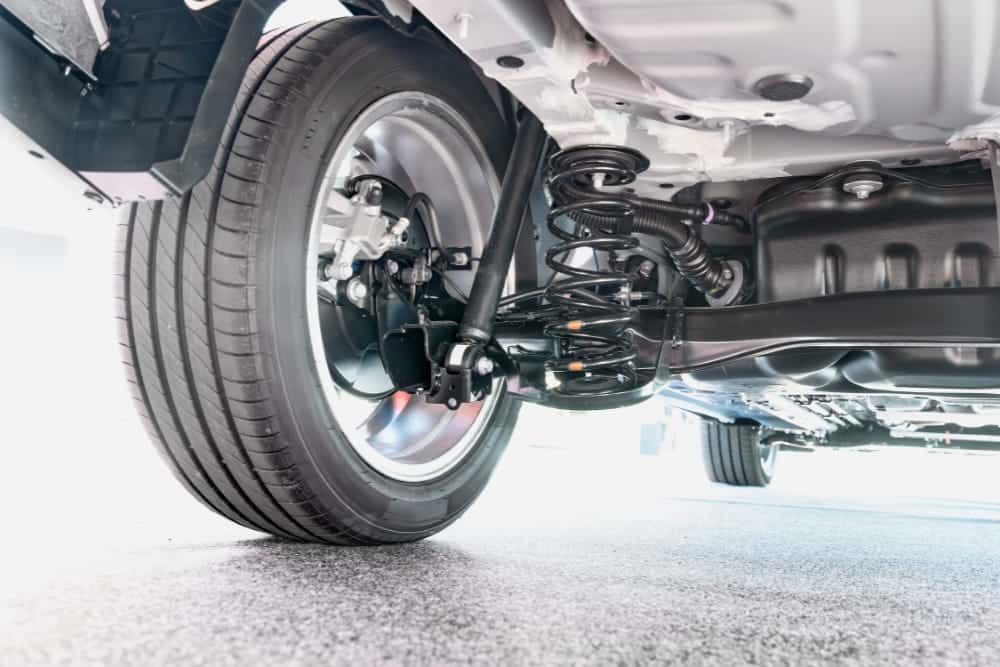
- Uneven wear across the tire: Feathering, cupping, or edge wear are signs of alignment, suspension, or inflation problems that compound in cold weather.
- Age over six years: Major tire manufacturers recommend replacing tires at six years from the manufacture date, regardless of remaining tread, because rubber degrades internally from heat, ozone, and UV exposure even when tread looks acceptable. If you do not know your tires’ age, the DOT date code on the sidewall tells you the week and year they were made.
- Persistent vibration at highway speeds: This can indicate wheel imbalance, uneven wear, or in more serious cases, internal belt separation. Any vibration that does not resolve after balancing warrants a full inspection before winter driving.
Any one of these issues warrants a professional tire inspection before winter conditions arrive.
Why Fall Is the Best Time to Schedule Tire Services in Ste. Genevieve, MO
Timing matters more than most drivers realize. Here is why fall is the strategic window:
- Appointment availability: Tire shops fill up fast once snow or ice arrives. Fall allows you to schedule at your convenience, not under pressure.
- Condition assessment while roads are dry: A technician can evaluate your tires accurately before cold weather masks developing problems.
- Mounting and balancing on your schedule: Seasonal changeovers include mounting, balancing, and torquing lug nuts to manufacturer specifications. Rushing this process during a weather event is not ideal.
- Catching related issues early: A fall tire inspection often reveals alignment and suspension problems that also need attention before winter. Fixing both at once saves a second trip.
At Charlie’s Tire and Automotive in Ste. Genevieve, MO, we recommend coming in before temperatures consistently fall below 45 degrees. That window typically opens in October across Southeast Missouri.
Ready to schedule your fall tire inspection? Visit us at 210 Plaza Dr, Ste. Genevieve, MO 63670, or call (573) 883-8833 to get started.
What the Tire Replacement and Changeover Process Looks Like
If you have never been through a seasonal tire changeover, here is what the process involves at a professional shop:
Tire Inspection
A technician measures tread depth across each tire, checks inflation pressure, and looks for visible damage or wear patterns. This takes a few minutes but reveals a clear picture of where your tires stand.
Recommendation and Selection
If replacement is needed, a technician will walk you through tire options suited to your vehicle and driving habits. This is where brand selection, performance ratings, and load capacity all come into play. You can also ask about financing options through CFNA, which offers six months at 0% interest, or Koalafi, which offers 0% financing with no credit required.
Mounting, Balancing, and Torque
New or seasonal tires are mounted, balanced, and installed with lug nuts torqued to manufacturer specifications. Proper balancing eliminates vibration and ensures even wear. If you are rotating a second set of tires into service, the same process applies.
Alignment Check
Alignment affects how evenly your new tires wear from the first mile. A quick alignment check during a tire changeover can extend the life of your new tires significantly and is especially important heading into a season when roads may be uneven or slick.
FAQs About Tire Replacement and Seasonal Changeovers
When should I replace my tires?
You should replace your tires when tread depth reaches 4/32 of an inch or less, or when you notice cracking, bulging, or uneven wear. Age also matters: major tire manufacturers recommend replacing tires at six years from the manufacture date, even if the tread looks acceptable.
Should I install winter tires before cold weather arrives?
Yes, the best time to install winter tires is before temperatures consistently drop below 45 degrees Fahrenheit. Installing them early ensures the tires are properly broken in and performing at their best when ice and snow conditions arrive.
How does cold weather affect tire pressure?
Cold weather causes air to contract, lowering tire pressure by approximately 1 PSI for every 10-degree temperature drop in standard passenger car tires. Consistently low tire pressure leads to uneven wear, reduced fuel efficiency, and decreased handling performance on cold or wet roads.
What are the benefits of seasonal tire changeovers?
Seasonal tire changeovers match your tires to current road and temperature conditions, improving traction, handling, and safety. They also extend the lifespan of both sets of tires by limiting each to its optimal season.
Where can I get tire replacement in Ste. Genevieve, MO?
Bring your vehicle to Charlie’s Tire and Automotive, located at 210 Plaza Dr, Ste. Genevieve, MO 63670. Charlie’s Tire and Automotive offers professional tire replacement, mounting, balancing, and seasonal changeover services for drivers throughout the region.
Schedule Your Tire Replacement in Ste. Genevieve, MO Today
Fall road conditions in Southeast Missouri can shift quickly. The team at Charlie’s Tire and Automotive is ready to help you assess your current tires, recommend the right fit for your vehicle, and get everything mounted and balanced before the temperatures drop.
Charlie’s Tire and Automotive in Ste. Genevieve, MO
210 Plaza Dr, Ste. Genevieve, MO 63670
(573) 883-8833
We also serve drivers across the region at our other locations:
- Charlie’s Tire and Automotive in Jackson, MO: 1901 E Jackson Blvd, Jackson, MO 63755 | (573) 243-8481
- Charlie’s Tire and Automotive in Dexter, MO: 414 N 1 Mile Rd, Dexter, MO 63841 | (573) 614-7885
- Charlie’s Tire and Automotive in Perryville, MO: 1319 W St Joseph St, Perryville, MO 63775 | (573) 547-2004
- Charlie’s Tire and Automotive in Sparta, IL: 1310 N Market St, Sparta, IL 62286 | (618) 443-5300